How to Differentiate Dyslexia and Dysgraphia
When your child is struggling with reading or writing, it can be hard to know what’s typical, what’s developmental, and what might signal something more. Many parents hear terms like dyslexia and dysgraphia but aren’t sure what they mean — or how they differ.

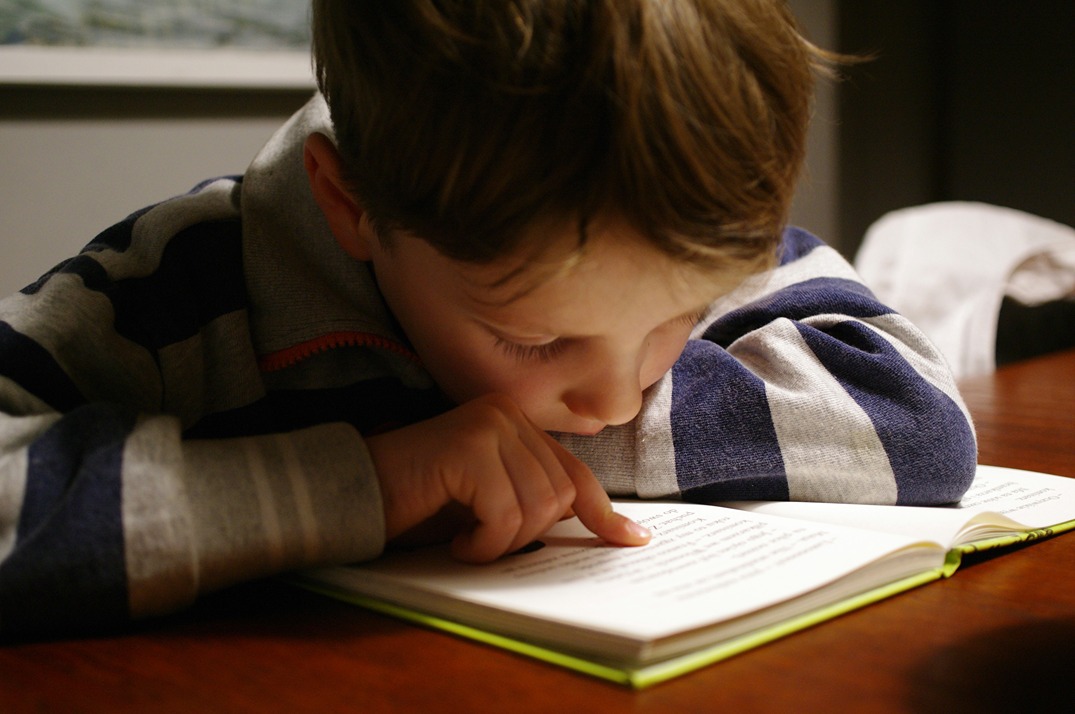
When your child is struggling with reading or writing, it can be hard to know what’s typical, what’s developmental, and what might signal something more. Many parents hear terms like dyslexia and dysgraphia but aren’t sure what they mean — or how they differ.
At Strengths and Solutions, we often meet families who feel confused, overwhelmed, or unsure of where to begin. The good news is that understanding the differences between dyslexia and dysgraphia can bring clarity — and clarity leads to the right support.
This guide will explain:
- What dyslexia is
- What dysgraphia is
- Key differences between them
- Signs of each condition
- Frequently asked questions parents often have
What Is Dyslexia?
Dyslexia is a language-based learning difference that primarily affects reading. It impacts how the brain processes written language, particularly in the areas of:
- Phonological awareness (hearing and manipulating sounds in words)
- Decoding (sounding out unfamiliar words)
- Word recognition
- Spelling
Dyslexia is not related to intelligence. Many children with dyslexia are bright, creative, and highly capable — but they may struggle with reading fluency and accuracy.
Common Signs of Dyslexia
In preschool or early elementary years:
- Difficulty rhyming
- Trouble learning letter names and sounds
- Mixing up similar-sounding words
- Delayed speech development
In elementary school:
- Slow, effortful reading
- Guessing at words rather than sounding them out
- Difficulty spelling (especially inconsistently)
- Avoiding reading aloud
In older children:
- Reading much slower than peers
- Poor reading comprehension due to decoding fatigue
- Trouble learning foreign languages
- Difficulty with timed reading tasks
What Is Dysgraphia?
Dysgraphia is a learning difference that affects writing skills. It can involve challenges with:
- Handwriting and letter formation
- Spacing and organization on the page
- Spelling
- Translating thoughts into written language
Dysgraphia can affect both the physical act of writing and the cognitive process of organizing ideas.
Common Signs of Dysgraphia
In young children:
- Avoidance of drawing or coloring
- Difficulty holding a pencil properly
- Slow or labored writing
In elementary school:
- Illegible or inconsistent handwriting
- Letters of different sizes and shapes
- Poor spacing between words
- Complaints of hand pain while writing
- Strong verbal storytelling but weak written output
In older children:
- Difficulty organizing essays
- Incomplete written assignments
- Writing much shorter responses than expected
- Fatigue during note-taking
Key Differences Between Dyslexia and Dysgraphia
Although both are learning differences, they impact different skill areas.
Dyslexia
- Primarily affects reading
- Difficulty decoding and recognizing words
- Reading fluency and accuracy are impacted
- Spelling errors often reflect sound confusion
Dysgraphia
- Primarily affects writing
- Difficulty forming letters and organizing written work
- Handwriting clarity and written expression are impacted
- Spelling errors may reflect writing organization challenges
Can a Child Have Both?
Yes. It is common for children to have both dyslexia and dysgraphia. Because reading and writing are closely connected skills, weaknesses in one area can overlap with the other.
A comprehensive psychoeducational evaluation can determine whether one or both are present.
Frequently Asked Questions
1. Is messy handwriting always dysgraphia?
Not necessarily. Many young children have developing handwriting skills. Dysgraphia is considered when writing difficulties are persistent, significantly below age expectations, and interfere with academic performance.
2. Is dyslexia just reversing letters?
Letter reversals (like writing “b” for “d”) can happen in typical development. Dyslexia is more about difficulty processing sounds in words and decoding — not simply letter flipping.
3. Can these challenges improve?
Yes. With appropriate interventions:
- Structured literacy programs can significantly improve reading skills in dyslexia.
- Occupational therapy, writing supports, and academic accommodations can help children with dysgraphia succeed.
Early identification often leads to better outcomes, but support at any age can make a meaningful difference.
4. Are these conditions related to intelligence?
No. Dyslexia and dysgraphia are not reflections of intelligence or motivation. Many children with these diagnoses are bright and capable but require instruction that matches how their brains learn best.
5. When should I seek an evaluation?
Consider an evaluation if:
- Your child is significantly behind peers in reading or writing
- Teachers have expressed concerns
- Homework consistently leads to frustration or tears
- Your child avoids reading or writing tasks
Trust your instincts. Parents are often the first to notice when something feels off.
Why a Comprehensive Evaluation Matters
At Strengths and Solutions, assessments are designed not only to identify areas of difficulty but also to highlight your child’s strengths.
A thorough evaluation can:
- Clarify whether dyslexia, dysgraphia, or both are present
- Rule out other contributing factors (such as attention or anxiety)
- Provide tailored recommendations
- Support access to school accommodations
Understanding why your child is struggling can be incredibly relieving — for both you and your child.
Final Thoughts for Parents
If your child is struggling with reading, writing, or both, you are not alone. Dyslexia and dysgraphia are common learning differences, and with the right support, children can thrive academically and emotionally.
The first step is clarity. From there, we can build solutions that align with your child’s unique strengths.
At Strengths and Solutions, based in Hallandale Beach, we specialize in evaluating children for both dyslexia and dysgraphia. Please contact us to learn more.